Real Estate Video Production 2026
Real estate video production costs $500 to $100,000 in 2026. What each package buys, the formats each platform rewards, and when drone is worth it.
Published 2026-03-30 · Updated 2026-09-22 · Industry Insights · Neverframe Team
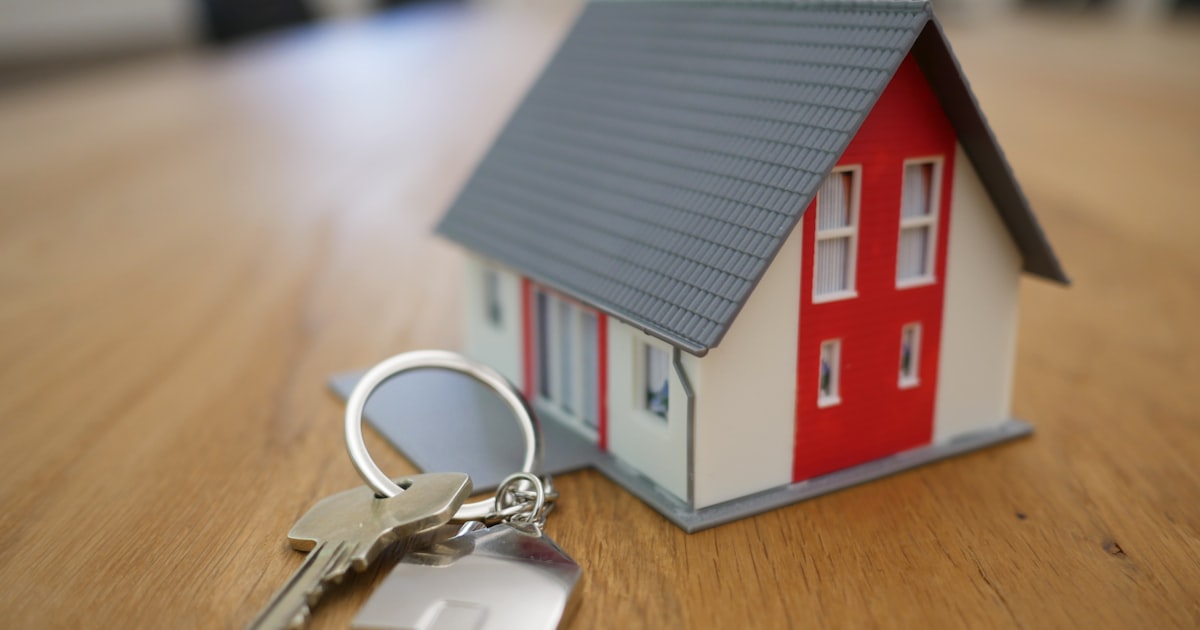
Real estate video production has moved from luxury marketing asset to baseline expectation. Buyers scroll through listings on mobile, developers pitch projects to international investors via video, and commercial real estate teams close deals without anyone stepping on the property first.
The shift happened fast, and not everyone has kept pace. This guide covers what types of real estate video actually move the needle, what professional production requires, where AI is changing the equation, and how to build a video strategy that justifies the investment.
Why Real Estate Video Production Matters
The data on video in real estate is consistent and significant. Properties listed with video receive substantially more inquiries than those without. Listings with professional video sell faster and, in competitive markets, at higher prices. According to the National Association of Realtors, over 73% of homeowners say they are more likely to list with an agent who uses video marketing.
For commercial real estate, the numbers are equally compelling. International buyers, institutional investors, and corporate tenants frequently make preliminary decisions based on video before ever visiting a property. A well-produced property video can open conversations with buyers who would otherwise never engage.
Beyond individual transactions, video builds the brand equity of agents, brokerages, and developers. Consistent, high-quality video production communicates professionalism, attention to detail, and market presence in ways that photography alone cannot.
Types of Real Estate Video Production
Different properties and different audiences call for different video formats. Understanding the options helps you match production investment to actual opportunity.
Property Walkthrough Videos
The walkthrough video is the foundation of residential real estate marketing. A continuous tour of the property, shot with stabilized camera movement and professional lighting, gives prospective buyers a realistic sense of flow, space, and atmosphere.
Quality walkthrough videos move smoothly through rooms, pause on key features, and capture the property in its best light. They're typically 2 to 4 minutes for a residential listing. The camera work, lighting, and editing make an enormous difference. A shaky walkthrough shot on a phone communicates the opposite of what you want.
Drone footage has become a standard component of walkthrough packages for properties with significant outdoor space, waterfront access, or premium locations where context matters. Aerial footage shows the property's relationship to its surroundings, which photography rarely communicates effectively.
Lifestyle and Brand Videos
Lifestyle videos go beyond showing the property to selling the life it enables. Instead of room-by-room documentation, lifestyle production shows the property being lived in: morning coffee on the terrace, dinner parties in the kitchen, children in the garden.
This format works best for high-end residential, resort properties, and new development launches where the aspirational angle is as important as the physical space. The production is more complex and more expensive than a standard walkthrough, but for the right property, it creates emotional engagement that drives premium pricing.
Our guide to brand film production covers the broader principles behind lifestyle-driven visual storytelling that apply equally to real estate and consumer brands.
Development and Project Marketing Videos
For developers marketing new construction or pre-construction projects, video serves a fundamentally different purpose. The property doesn't yet exist in its finished form, which means the video must sell a vision rather than a reality.
Development marketing videos combine architectural renders, animated walkthroughs, drone footage of the site and surrounding area, and lifestyle elements that communicate the project's positioning. They're used in sales centers, at investor presentations, in digital advertising, and on project websites.
The production quality for development marketing needs to be high. These videos represent a significant capital investment and compete for attention from buyers and investors evaluating multiple options. Cutting corners on production quality in this context is a false economy.
Agent and Brokerage Brand Videos
Agents and brokerages increasingly use video to build personal and institutional brand. These videos introduce the team, explain the service philosophy, share client success stories, and communicate market expertise.
This format is particularly powerful for building trust before a first conversation. A prospective seller who has watched a 90-second video about an agent's approach, track record, and market knowledge comes to the initial meeting with a fundamentally different mindset than someone who called from a listing sign.
Our corporate video production guide covers the production approach for credibility-building brand videos in detail.
Virtual Tours and Interactive Video
Virtual tours use 360-degree video or photography to let viewers navigate a property at their own pace. The format serves international buyers and time-constrained professionals who want to qualify a property before committing to a visit.
Interactive video takes this further, embedding clickable hotspots that reveal room dimensions, material specifications, or pricing information. For commercial real estate and new development, interactive formats streamline the qualification process significantly.
The Real Estate Video Production Process
Professional real estate video production follows a structured process that ensures the property is shown at its best.
Pre-Shoot Preparation
The property needs to be staged, cleaned, and prepared before any camera arrives. This isn't the photographer's job. It's the client's, and it matters enormously. Clutter, personal items, poor lighting, and maintenance issues all appear on camera more prominently than they do to the naked eye.
For high-end listings, professional staging is worth the investment. A staged property films better, photographs better, and sells faster than an unstaged one at similar price points.
The production team should visit the property in advance when possible. Pre-production walkthroughs identify the best angles, flag potential problems, and let the crew plan the shoot efficiently rather than problem-solving on the day.
Scheduling for Optimal Light
Natural light is the most important variable in interior and exterior real estate photography and video. Most properties look best when lit with soft, natural light from the right direction, and that window varies by the property's orientation and the time of year.
Professional crews schedule shoots to align with the best natural light conditions for the specific property. North-facing properties may need different treatment than south-facing ones. Properties with significant outdoor components often require twilight shooting for the exterior as well as daytime shooting for interiors.
The Production Day
A full residential listing shoot typically runs 2 to 4 hours for standard properties, longer for luxury listings or properties with extensive grounds. The crew covers interior walkthrough footage, drone footage, any lifestyle elements, and b-roll of details and features.
Drone operation requires a licensed operator and, depending on the location, airspace authorization. Properties near airports, in urban cores, or above certain elevations have airspace restrictions that affect what's possible. An experienced production team handles these requirements as a matter of course.
Post-Production
Real estate video post-production focuses on editing for flow, color grading for consistency and warmth, stabilization for any handheld sequences, and adding titles, music, and any animated elements like maps or floor plan callouts.
Music selection matters more than most clients expect. The wrong music undermines the atmosphere the production worked to create. Professional libraries offer real estate-appropriate tracks that communicate luxury, comfort, energy, or calm depending on what the property calls for.
Delivery formats should cover the listing platforms, social media requirements, the agent's website, and any investor or developer presentation formats needed.
AI in Real Estate Video Production
AI is changing real estate video production in several meaningful ways.
Virtual staging has moved from novelty to serious tool. AI systems can furnish empty rooms, swap outdated finishes with contemporary alternatives, and show seasonal variations of outdoor spaces. For vacant properties, AI virtual staging enables compelling lifestyle content without the cost and logistics of physical staging. The quality of AI virtual staging has improved dramatically and, when done well, is indistinguishable from physical staging in video contexts.
AI video enhancement tools can improve footage quality in post-production: removing lens distortion, stabilizing shaky footage, correcting exposure inconsistencies between rooms, and upscaling resolution for older footage used in archive contexts.
AI-generated walkthroughs and architectural renders are increasingly used for pre-construction development marketing. Systems that generate photorealistic video from floor plans and specifications can produce development marketing content in days rather than the weeks required for traditional 3D animation.
At Neverframe, we apply AI-assisted production techniques to real estate and development marketing projects where the technology adds genuine value. Contact our team to discuss what's possible for your listings or development projects.
Real Estate Video Production Costs
Cost varies significantly based on property type, location, production scope, and the level of finish required. Here are realistic 2026 ranges.
| Package | Cost range | What it covers | Best fit |
|---|---|---|---|
| Basic residential walkthrough with drone | $500 to $1,500 | Single visit, natural light, ground and aerial coverage, simple edit | Standard listings where speed matters more than polish |
| Professional residential package | $1,500 to $4,000 | Drone, twilight exterior, supplemental lighting, graded edit, platform cuts | Mid to upper tier residential |
| Luxury residential production | $5,000 to $20,000 and up | Lifestyle sequences, staging coordination, talent, premium post | Properties where a few points of sale price is real money |
| Commercial and development marketing | $10,000 to $100,000 and up | Multi-day capture, architectural visualization, investor-facing narrative | Development pitches, institutional assets, pre-sales |
| AI-assisted recurring program | $1,200 to $6,000 per month | Templated agent brand content, listing cuts at volume, market updates | Teams and brokerages publishing weekly |
Three factors move a quote more than any other. Airspace authorization, because drone work near controlled airspace requires clearance and adds days. Occupancy, because filming an occupied home costs more in scheduling than in crew time. And twilight, because a twilight exterior is a second visit in practice, not a second hour.
Our AI video production cost guide provides a broader framework for how production investment scales with quality requirements, and our video production budget guide breaks the line items down for planning.
Building a Real Estate Video Strategy
Individual listing videos are the entry point, but the most effective real estate video programs treat video as a systematic marketing tool rather than a per-transaction expense.
Agents who produce consistent video content across market reports, property tours, neighborhood profiles, and client testimonials build an audience that generates leads independently of any specific listing. This is a fundamentally different business model from one-off listing photography, and it compounds over time.
Developers who build video into the marketing plan from the earliest stages of a project, rather than commissioning it once sales need to accelerate, have more to work with and spend less overall.
Brokerages that standardize video production across their agent roster create consistent brand presentation and make it easier for agents to invest in video without managing the production complexity themselves.
Integrating Video with Your Distribution Strategy
Format requirements differ enough across channels that they have to be planned before the shoot, not after.
| Channel | Aspect ratio | Target length | What performs |
|---|---|---|---|
| MLS and listing portals | 16:9 | 2 to 4 minutes | Complete walkthrough, room labels, no music-only edits |
| Instagram feed and Reels | 4:5 and 9:16 | 20 to 60 seconds | Single strongest room or view, hook in first two seconds |
| YouTube | 16:9 | 3 to 8 minutes | Narrated walkthrough, neighborhood context, agent on camera |
| 1:1 and 16:9 | 45 to 90 seconds | Commercial assets, development announcements, agent authority | |
| Email to buyer list | Thumbnail linking to hosted player | Any | Static thumbnail with play overlay, never an autoplay embed |
Video assets should be planned with distribution in mind from the start. A listing video produced for YouTube requires different framing considerations than one designed for Instagram Reels. A development marketing video for investor presentations has different pacing requirements than a social ad.
Our guide to video content strategy covers the framework for aligning production decisions with distribution goals across multiple platforms.
Measuring Video Performance
Real estate video performance can be measured through listing platform analytics, website engagement data, social media metrics, and, most importantly, direct attribution to inquiries and transactions.
For agents and brokerages running video-based marketing programs, tracking which video content generates the most qualified inquiries informs future production investments. The videos that drive conversations are worth producing more of. The ones that generate views but no engagement should be reconsidered.
Technology Trends Reshaping Real Estate Video in 2026
The technology available for real estate video production has shifted significantly, and staying current matters for agents and developers who want their content to stand out in crowded digital environments.
AI-powered virtual staging has moved beyond still photography. AI video staging can now show a vacant property furnished and decorated in multiple styles, fully animated, without any physical furniture ever entering the space. For developers marketing pre-construction projects or agents handling vacant investment properties, this removes a major barrier to compelling visual marketing. The cost is a fraction of physical staging, the turnaround is days not weeks, and multiple style variations can be produced simultaneously for different buyer audiences.
Automated property highlight reels use AI to identify the most visually compelling moments in raw footage and assemble them into a polished short-form video. While these auto-generated cuts don't replace professional editing for primary listing videos, they're useful for creating social media content quickly from existing footage libraries.
3D floor plan integration with video has become a strong competitive differentiator. Videos that cut between live footage and animated floor plan views help buyers understand spatial relationships in ways that walkthrough video alone doesn't achieve. The technology has become accessible enough that mid-market production teams can offer it without significant cost premiums.
Virtual reality tours linked to video marketing are increasingly viable for high-end residential and commercial properties. A prospect who completes a VR tour before a physical visit arrives with dramatically greater orientation and purchase readiness. The technology is most relevant for properties where the distance barrier is significant, international buyers, investors in different cities, or corporate relocations.
According to the National Association of Realtors' research on home buyers and sellers, the share of buyers who use online tools extensively in their property search continues to increase year over year. Video is increasingly the expected medium for that online research phase.
Real Estate Video SEO and Online Distribution
Real estate video doesn't achieve results by existing. It achieves results when buyers and investors find it. Distribution strategy determines whether your production investment reaches the people it's meant to reach.
YouTube optimization for property videos involves more than uploading and hoping. Property walkthrough videos on YouTube benefit from keyword-specific titles that include property type, neighborhood, and relevant features. Descriptions should include the property address, full property details, and links to the listing. Timestamps in the description that jump to specific rooms improve viewer experience and signal content relevance to YouTube's algorithm.
MLS and listing platform integration is the baseline. Most major listing platforms accept video links or direct video uploads. The format requirements vary by platform, and videos optimized specifically for the platform's display format consistently outperform generic uploads. Zillow, Realtor.com, and Redfin have each published guidance on video that performs well in their environments.
Social media distribution for real estate requires platform-specific thinking. LinkedIn is most valuable for commercial real estate, development projects, and agent brand building with professional networks. Instagram performs well for luxury residential and aspirational lifestyle content. Facebook Marketplace and Facebook community groups remain significant for local residential market reach, particularly for mid-market properties.
Email integration is underused in real estate video distribution. Thumbnail images of listing videos embedded in email campaigns significantly outperform text-only property announcements. The click-through rate differential between a text email and one with a compelling video thumbnail is substantial. For developers managing prospect databases, automated email sequences that introduce new footage, virtual tours, or development updates to registered prospects keep buyers engaged throughout long pre-construction sales cycles.
Measuring Real Estate Video Performance
Real estate professionals who treat video as a marketing investment need measurement frameworks to know what's working.
For listing videos, the primary measure is qualified inquiries generated. Track which listings had video and compare inquiry rates, showing rates, and days on market with comparable listings without video. This data is rarely collected systematically, but when it is, it consistently validates the investment case.
For agent brand videos, the relevant metrics are profile views, direct messages, and listing consultation requests that can be attributed to content engagement. These connections require asking new contacts how they found you, a simple but consistently underused practice.
For development marketing, video performance can be measured through website traffic to project pages, time on page, lead capture conversion rates, and sales center visit rates from digital marketing campaigns where video is the primary creative asset.
According to research documented by Wyzowl, 88% of marketers say video gives them a positive ROI. Real estate professionals who track their specific video performance data consistently report that professional video shortens sales cycles and increases transaction values relative to non-video marketing approaches.
Working with Real Estate Video Production Partners Long-Term
The most cost-efficient approach to real estate video isn't commissioning individual projects. It's building a production relationship that reduces per-unit cost over time while maintaining consistent quality.
A recurring relationship with a production team means they understand your brand, your typical property types, and your quality standards before each new project begins. Brief time is shorter. Revision rounds are fewer. The production team knows your preferences on music, pacing, and editing style without being retrained on every job.
For agents and brokerages at scale, a retainer arrangement with a production partner provides guaranteed capacity and consistent pricing in exchange for volume commitment. This model works well when video volume is predictable, typically five or more properties per month.
For developers with multiple projects in market simultaneously, maintaining a production relationship that covers all active projects under a single quality standard creates visual consistency that builds brand equity across the portfolio. Buyers who see multiple projects with the same production quality associate that quality with the developer brand, not just individual properties.
Establishing clear production standards documentation, preferred shot lists, music style guides, post-production specifications, ensures that any crew member from your partner's roster can produce work that meets your standards. This is especially important for productions that happen across multiple markets where different crews may be involved.
Choosing a Real Estate Video Production Partner
Real estate video has specific technical and creative requirements that not all production companies handle well. Camera stabilization for interior walkthroughs, drone operation, twilight shooting, and the particular visual aesthetic that resonates with real estate buyers are skills developed through real estate-specific experience.
Look for a production company with a portfolio of actual real estate projects, not just general commercial work. Review their interior shooting specifically. Interior real estate video is technically demanding, and mediocre execution is immediately apparent.
Ask about their post-production process and timelines. Real estate marketing operates on tight schedules. A production company that takes two weeks to deliver edited footage creates real problems for active listings.
Understand their drone capabilities and licensing. Not all drone operators are fully licensed and insured. For commercial real estate and development projects in particular, drone footage requires proper authorization, and using an unlicensed operator creates legal exposure.
Our broader guide on how to choose a video production agency provides additional evaluation criteria that apply to real estate production partnerships.
Real Estate Video Production: Moving Forward
The baseline for real estate marketing video continues to rise. What was impressive three years ago is standard now. What's standard now will be baseline in another two years.
Properties marketed without professional video are increasingly at a disadvantage in competitive markets. Agents who don't use video content are increasingly invisible in markets where competitors do. Developers who don't invest in marketing video lose deals to projects that tell their story better.
AI tools are making professional-quality real estate video more accessible and more affordable, which means the opportunity to differentiate on quality is still real, but the window for doing so on minimal investment is narrowing.
The question for most real estate professionals isn't whether to invest in video. It's whether to invest in video that's good enough to make a difference.
Our team at Neverframe works with real estate professionals, developers, and property marketing agencies across the US and Europe. Contact us to discuss how we can support your video production needs.
Real Estate Video Frequently Asked Questions
Is drone footage worth the added cost for residential listings?
For most properties, yes. Drone footage adds context that interior and ground-level video cannot provide. It shows the property's relationship to its neighborhood, outdoor space scale, and proximity to amenities. For properties without significant outdoor space or distinctive locations, drone footage adds less value. For waterfront, hillside, estate, and large lot properties, it's essential.
How should real estate video be formatted for different platforms?
Listing videos for MLS and Zillow work best in 16:9 format, 2 to 4 minutes. Instagram performs better with shorter content, 60 to 90 seconds maximum, in 1:1 or 9:16 format for Stories. YouTube rewards longer, more detailed walkthroughs. LinkedIn is effective for commercial properties, development announcements, and agent brand content. Plan the distribution strategy before the shoot to ensure you capture the right material for each format's requirements.
What is the minimum acceptable production quality for real estate video?
Stable camera movement, consistent exposure across rooms, clean audio for any voiceover, and professional editing that maintains pacing. A smartphone can meet these requirements with the right stabilization equipment, good lighting conditions, and careful execution. The gap between entry-level professional production and smartphone production is narrower than it was three years ago. The gap between both and truly professional production remains significant for high-value listings.
How far in advance should I book a real estate video production crew?
For standard residential listings, one to two weeks advance notice is generally sufficient. For luxury properties requiring full staging coordination, twilight shoots, and complex logistics, four to six weeks allows proper preparation. Development marketing projects should be booked two to three months in advance when possible, particularly when architectural visualization or drone footage requiring airspace authorization is involved.
How much does real estate video production cost?
Between $500 and $1,500 for a basic residential walkthrough with drone, $1,500 to $4,000 for a professional residential package with twilight and graded post, and $5,000 to $20,000 or more for luxury production with lifestyle sequences and staging coordination. Commercial and development marketing runs $10,000 to $100,000 and up depending on whether architectural visualization is required. Airspace authorization, occupancy, and twilight scheduling are the three factors that push a quote past its band.
Does video actually help a property sell faster or for more?
The mechanism is attention rather than magic. Listings with video hold a buyer on the page longer and travel further through sharing, which widens the pool of people who see the property before the first showing. The effect is largest where the property has something a photo cannot convey: scale, flow between rooms, a view, or a location relationship. The National Association of Realtors research library is the reference point for current buyer behavior data in the sector.
Final Thoughts
Real estate video production continues to evolve rapidly, driven by buyer expectations, platform algorithm changes, and AI tools that make quality more accessible. The professionals and developers who approach video as a systematic marketing practice, not a one-off expense, consistently outperform those who treat it as optional. The market rewards visual quality and consistent presence. Both are now achievable at investment levels that make the ROI calculation straightforward.
Work with Neverframe. If you want this executed rather than explained, talk to the studio or compare the production packages.