Brand Storytelling Video Guide
Brand storytelling video builds emotional equity that performance ads cannot. Learn the formats, examples, and briefs that make brand story content work.
Published 2026-04-23 · Video Marketing · Neverframe Team
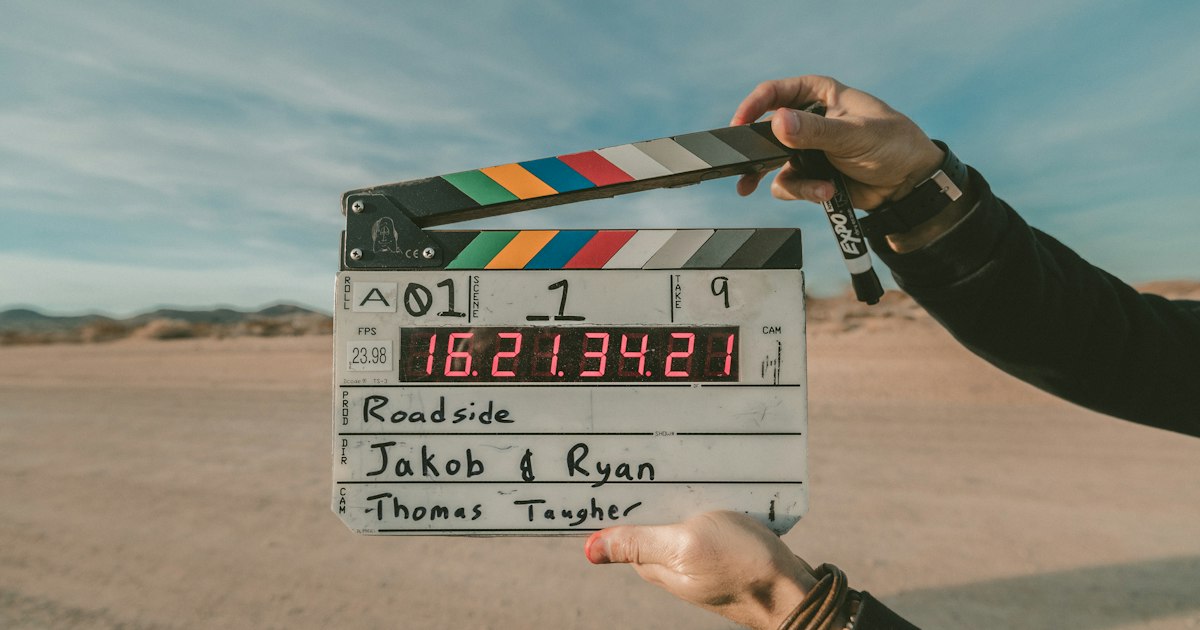
Brand storytelling video has become one of the most powerful tools in a marketer's arsenal. In an era of performance marketing dominance, where every creative decision is tracked and optimized for conversion, brand storytelling seems counterintuitive - it doesn't have a button to click, a direct CTA to measure, or a ROAS to report.
Brands that invest in consistent storytelling outperform competitors on long-term brand equity metrics. Edelman's Trust Barometer research shows that brand trust - built through consistent narrative - is now the second most important purchase factor after product quality.
Yet the brands that invest consistently in brand storytelling video tend to outperform those that don't. Apple, Patagonia, Nike, and Dove didn't build their brand equity with performance ads. They built it with stories. The question is how to do it well, and how modern AI production technology has changed what's possible for companies that aren't billion-dollar brands.
This guide covers brand storytelling video from first principles: what it is, why it works, the formats that perform best, how to evaluate examples, and how to brief a production partner to create brand story content that actually moves the needle.
What Is Brand Storytelling Video?
Brand storytelling video is video content that communicates who a company is - its values, mission, people, and perspective - rather than what it sells. It prioritizes emotional connection over immediate conversion.
The distinction from product video or performance creative is important:
Product video shows what you sell. It demonstrates features, communicates benefits, and drives purchase intent.
Performance creative is optimized for conversion. It's tested for CTR and ROAS and iterated based on what drives action.
Brand storytelling video does neither of these things directly. It answers the deeper question: why does this company exist, and why should I care?
The classic framework for brand storytelling comes from author Simon Sinek's "Start With Why" concept. Brands that lead with purpose - why they do what they do, not what they do - create emotional resonance that drives long-term loyalty. Brand storytelling video is the primary mechanism for communicating that purpose at scale.
Why Brand Storytelling Video Works
The marketing case for brand storytelling video is grounded in neuroscience and behavioral economics.
The narrative transportation effect: Psychologists Jonathan Gottschall and Keith Oatley have documented that humans experience "narrative transportation" - a phenomenon where a compelling story literally changes how we think and feel. When someone is absorbed in a brand story, their critical defenses drop and emotional associations form. These associations persist long after the viewing experience ends.
According to Wyzowl's annual video marketing report, 87% of marketers report video has helped them increase sales, with brand-building video content showing the strongest long-term retention rates.
Memory encoding: Stories are 22x more memorable than facts alone, according to research by Jerome Bruner at New York University. A brand that communicates its mission through narrative will be recalled more vividly and accurately than one that communicates the same message through a list of product features.
Trust and authenticity signaling: Brand storytelling that reveals authentic aspects of a company - its founding story, its struggles, its people - generates a different quality of trust than any claim made in a product ad. Audiences are primed to be skeptical of advertising claims but genuinely receptive to authentic human stories.
Long-term revenue impact: A 2022 study by Binet and Field for the IPA (Institute of Practitioners in Advertising) found that brand-building campaigns, while not immediately attributable to revenue, deliver superior ROI over 12–36 month periods compared to pure performance campaigns. Brands that balance brand building with performance marketing consistently outperform those that over-invest in either alone.
The Core Formats of Brand Storytelling Video
The Origin Story
The most fundamental brand story. Who started this company? Why? What problem were they trying to solve? What obstacles did they face?
Origin stories work because they create a protagonist (the founder) that audiences can empathize with, and they explain the "why behind the what" in a way that makes the product meaningful.
Effective origin stories resist the temptation to be too polished or corporate. They include tension, doubt, and difficulty - the ingredients that make any story compelling.
The Mission Video
A mission video articulates what the company stands for and is trying to achieve - beyond profit. It answers: what world is this company trying to create?
The best mission videos avoid mission-statement language and find concrete, human illustrations of the abstract values they represent.
The People Story
Employee and team-focused stories that reveal the humans behind the brand. These work well for B2B brands where trust is built over long sales cycles, for employer brand communications, and for brands where craft and care are a meaningful differentiator.
People stories create trust through specificity. A story about one engineer's obsession with a detail of the product is more compelling than a claim that the whole company cares about quality.
The Customer Story / Documentary
Long-form content that follows a real customer's experience with the product or service. This format bridges the gap between brand storytelling and performance creative - it has authenticity and emotional resonance, but it's rooted in product truth.
Customer documentaries perform particularly well for brands with meaningful customer impact stories: health and wellness, education, financial services, sustainability-focused products.
The brand film
The most cinematic form of brand storytelling. Often not featuring the product at all, brand films instead communicate a brand's values and aesthetic through story, character, and visual poetry.
Patagonia's environmental films, Nike's athlete stories, and Dove's Real Beauty campaign videos are canonical examples. These films are produced with the craft level of independent cinema - and in the AI era, this level of production is increasingly accessible to companies outside the Fortune 500.
At Neverframe, our Brand Soul Spots product is designed specifically for this use case: cinematic brand storytelling at economics that weren't possible before AI production.
Brand Storytelling Video Examples That Work
What Makes a Brand Story Video Effective
Before reviewing examples, it's worth establishing the criteria that separate effective brand storytelling from corporate video that nobody watches:
A specific protagonist: Not "our company" but a specific person - a founder, an employee, a customer. Specificity creates empathy.
A genuine conflict or tension: All compelling stories involve something at stake. A story with no conflict is just a press release.
An emotional arc: The viewer should feel something different at the end of the video than they did at the beginning.
Brand-relevant resolution: The story should land in a place that is authentically connected to what the brand stands for - not forced or convenient.
Visual craft: Brand storytelling video lives or dies on the quality of its cinematography, sound, and editing. This is not a place for low-budget production.
Common Brand Storytelling Video Mistakes
The achievement reel: A highlight reel of awards, milestones, and metrics with no human story. This is common and completely ineffective.
The values list: "We believe in integrity, innovation, and excellence." These claims are so generic they communicate nothing. Show the values, don't list them.
The product cameo: Brand storytelling that ends with a product feature reveal signals that the brand doesn't trust its story to stand alone. If the film is genuinely about the brand, the product can be incidental.
Excessive polish without substance: Beautiful cinematography with nothing to say. Craft in service of empty content doesn't create brand connection.
Length without justification: Brand storytelling video earns long-form viewing time by earning emotional engagement in the first 30 seconds. Content that doesn't hook immediately won't hold.
Crafting Your Brand Storytelling Strategy
Step 1: Define the Brand Truth
Before any brief is written or production is considered, articulate the brand truth that the storytelling will communicate. What does this company genuinely believe? What is the authentic "why" behind its existence?
This is harder than it sounds. Most brands have some version of a mission statement, but meaningful brand truth goes deeper - it's the specific belief or observation about the world that makes this company's existence make sense.
Questions to surface brand truth:
- Why did the company start? What specific problem was the founder trying to solve?
- What would be lost if this company didn't exist?
- What does the company believe that most people in the industry don't?
- What trade-offs does the company make because of its values? (Companies that make trade-offs for their values have more credible values.)
Step 2: Identify the Story Vehicle
Once you have the brand truth, find the story that communicates it most compellingly. This is rarely the obvious choice (the origin story or the CEO interview). The most powerful brand stories come from unexpected angles:
- The employee who turned down a higher-paying job because of what they believed about the company's mission
- The customer whose life changed in a specific, measurable way because of the product
- The problem the company refused to compromise on, even when it cost them commercially
Step 3: Match Format to Distribution
Brand storytelling video format should be matched to distribution channel:
Long-form documentary (3–10 minutes): YouTube, LinkedIn, website. Audiences who seek out this content are high-intent.
Mid-form brand film (60–120 seconds): Social media as paid or organic content, pre-roll advertising. Requires strong hook and sustained pacing.
Short-form story (15–30 seconds): TikTok, Instagram Reels, Stories. Highly distilled brand truth communicated through a single strong image or moment.
hero video (60–90 seconds): Homepage placement. The brand's definitive statement of who it is. High production value, timeless enough to remain relevant for 2–3 years.
We've written extensively about hero video strategy and brand film examples on our blog.
Step 4: Production Investment Calibration
Brand storytelling video requires genuine production investment. The specific amount depends on format and distribution:
- Social-first short brand stories: $2,000–$8,000
- Mid-form brand films: $8,000–$30,000 (traditional), $2,000–$8,000 (AI production)
- Long-form documentary: $20,000–$100,000+ (traditional), $5,000–$25,000 (AI production)
- Hero video: $15,000–$75,000 (traditional), $3,000–$15,000 (AI production)
AI video production has compressed these economics significantly. At Neverframe, our Brand Soul Spots engagements deliver feature-quality brand cinematography at a fraction of traditional production costs.
How to Brief a Brand Storytelling Video Production Partner
The quality of the brief determines the quality of the output. Brand storytelling video is particularly sensitive to brief quality because the stakes are higher - there's no direct conversion metric to recover against if the creative misses.
The Essential Brief Components
Brand truth statement (1 paragraph): The authentic belief or perspective that this video will communicate. Not the product benefit - the deeper "why."
Story protagonist: Who is the central character? Their specific background, perspective, and relationship to the brand truth is critical.
Emotional journey: What should the viewer feel at the start of the video? What should they feel at the end? What happens in between?
Distribution plan: Where will this video live? How long do viewers typically watch in this context? This determines length, format, and production style.
Brand visual reference: Examples of visual styles, cinematography references, and aesthetic sensibility that should inform the production.
What the video is NOT: As important as what you want. What topics, tones, or approaches should be avoided?
Success definition: How will you know if this video is working? Even brand storytelling content can have measurable goals - views, watch completion, social sharing, direct traffic to brand pages.
Questions to Expect from a Good Production Partner
A production partner worth working with will push back on and deepen a brief before accepting it. Expect questions like:
- "What is the specific moment or event that we'll film that embodies the brand truth?"
- "Is this story true? Can we document it?"
- "Who is the specific person we're following, and do they represent the brand authentically?"
- "What makes this story different from what competitors could tell?"
- "What can we show, not tell?"
A production team that accepts a vague brief without questioning it will deliver vague content.
AI Production and Brand Storytelling Video
The AI video production revolution has primarily impacted performance creative - UGC ads, product demonstrations, and high-volume test creatives. Its impact on brand storytelling video is more nuanced but increasingly significant.
Where AI Adds Value in Brand Storytelling Production
Post-production efficiency: AI tools for color grading, sound mixing, and editing reduce post-production time significantly without compromising quality.
Location and setting generation: AI-generated environments can supplement (or replace) expensive location shoots for certain types of brand storytelling content.
Actor and presenter generation: For brand stories that feature multiple characters or require specific visual diversity, AI-generated talent can reduce casting and talent costs significantly.
Iteration on narrative structure: AI can rapidly produce multiple narrative structure options from the same raw content, allowing production teams to test different storytelling sequences before committing to final edit.
Scale and localization: Brand storytelling content produced in one language can be adapted for multiple markets using AI voice synthesis and localization tools - dramatically reducing the cost of international brand storytelling programs.
Where Human Creative Direction Remains Essential
AI excels at execution, but the creative vision for brand storytelling still requires human judgment:
- Identifying the authentic brand truth worth telling
- Recognizing the specific human story that best embodies that truth
- Making editorial decisions about emotional pacing and narrative structure
- Ensuring the content feels genuinely authentic rather than manufactured
The best AI-powered brand storytelling production - like Neverframe's approach - combines AI production infrastructure with experienced human creative direction. The result is brand film quality at economics that make it accessible to companies beyond the enterprise tier.
Measuring the Impact of Brand Storytelling Video
Brand storytelling video is genuinely harder to measure than performance creative. But that doesn't mean it should be deployed without any measurement framework.
Direct Video Metrics
- Average watch time / completion rate: The most direct signal of whether the story is working. Completion rates above 50% indicate strong audience engagement.
- Re-watch rate: A particularly strong indicator - people don't re-watch content that doesn't resonate.
- Sharing: Brand storytelling content that gets shared is working. Track shares relative to impressions.
Downstream Brand Metrics
- Branded search volume: A brand with a strong story generates more people searching for it by name. Monitor branded search trends before and after major storytelling campaigns.
- Direct traffic: Viewers who watch compelling brand content often visit the website directly afterward. Monitor direct traffic lift.
- Social following and engagement: Audiences that connect with a brand's story tend to follow and engage more consistently.
Long-Term Business Impact
The most meaningful measure of brand storytelling investment is long-term revenue performance. Binet and Field's research suggests that 60% of marketing budget should be allocated to brand building and 40% to performance - a balance that consistently outperforms pure-performance or pure-brand allocations.
Brands that track this balance and its impact on unit economics (CAC, LTV, payback period) over 12–24 month periods can build the internal business case for sustained brand storytelling investment.
Conclusion: Brand Storytelling Video in the AI Era
Brand storytelling video isn't a luxury for brands with unlimited budgets. It's a strategic necessity for any brand that wants to build durable market position rather than compete on performance metrics alone.
The good news: AI production technology has dramatically reduced the cost of production quality that was previously reserved for the largest advertisers. A brand storytelling video that would have cost $50,000 to produce traditionally can now be produced at equivalent quality for $5,000–$15,000.
This cost compression opens brand storytelling to a much wider range of companies - startups, scaling DTC brands, and mid-market businesses that have been priced out of the category.
Neverframe's Brand Soul Spots is designed for exactly this opportunity: cinematic brand storytelling production for brands that want to compete on the strength of their story, not just their media budget.
Explore more: Brand Film Examples Guide · Hero Video Complete Guide · [video marketing ROI Guide](https://neverframe.com/blog/video-marketing-roi-complete-guide)
Brand Storytelling Video by Industry: What Works Where
Different industries require different brand storytelling approaches. Here's how to adapt the fundamentals to your category:
B2B and SaaS
B2B brand storytelling faces a unique challenge: multiple stakeholders with different concerns, longer sales cycles, and audiences trained to be skeptical of marketing claims.
The most effective B2B brand storytelling focuses on customer transformation stories - specific, documented examples of how a company changed for the better after using the product. These are not testimonials ("I liked working with them") but transformation narratives ("Here's what our operations looked like before, here's what they look like now, here's the specific impact").
B2B brand storytelling also benefits from thought leadership framing - videos that position the company as a leading thinker on a category problem rather than just a vendor. A cybersecurity company that produces documentary content about the evolving threat landscape is building brand authority that pays dividends in the sales process.
Key format for B2B: Documentary customer stories (3–8 minutes), founder vision videos (2–4 minutes), and thought leadership shorts (60–90 seconds) for LinkedIn.
DTC and Consumer Brands
Consumer brand storytelling has the widest canvas - almost any human story is potentially relevant if it connects authentically to the brand's values.
The highest-performing consumer brand stories in 2026 are:
- Founder stories that explain a product's origin in deeply personal terms
- Community stories that show the brand's role in a specific subculture or lifestyle
- Cause-related stories that connect the brand to a mission bigger than commerce
- Behind-the-product stories that reveal the craft and care in manufacturing or sourcing
For DTC brands, brand storytelling content often serves as a trust-building bridge between first purchase and loyal customer. Brands with strong storytelling tend to see higher repeat purchase rates and higher LTV - the emotional connection created by brand stories drives long-term behavior.
Healthcare and Wellness
Healthcare brand storytelling is both the most impactful and the most carefully regulated. Patient stories, transformation narratives, and mission-driven content can create profound audience connection - but must navigate regulatory requirements around medical claims.
The most effective healthcare brand storytelling focuses on the human dimension: why a clinician chose their specialty, how a patient's life changed, the mission driving a healthcare company's existence. These stories can be compelling without making specific medical claims.
Mental health brands, wellness products, and health-tech companies have significant storytelling opportunities - audiences in these categories are actively seeking brands they trust, and authentic storytelling is the primary trust-building mechanism.
Sustainability and Mission-Driven Brands
Sustainability and purpose-driven brands have the richest storytelling material but face the highest authenticity bar. Audiences are sophisticated about greenwashing and mission-washing. Brand storytelling that feels performative - gesturing at values without evidence of genuine commitment - actively damages brand trust.
The most effective sustainability storytelling documents real trade-offs the company makes for its values. Patagonia's brand films work because they show the company doing things that cost it commercially - encouraging customers to repair products rather than buy new ones, lobbying against industry practices that benefit competitors, giving significant profit to environmental causes.
This level of authentic commitment is what makes brand storytelling credible rather than performative.
The Production Calendar: Planning Brand Storytelling Content
Unlike performance creative (which should be produced in high volume and constant rotation), brand storytelling video operates on a different cadence. Here's how to plan a brand storytelling content calendar:
Annual Anchor Content (1–2 pieces)
Major brand films - hero video, origin story, annual mission film - are produced once and deployed for 2–3 years. These are your highest-investment, longest-shelf-life assets. Plan them annually with significant lead time (2–4 months from brief to delivery).
Seasonal or Campaign-Linked Stories (2–4 pieces/year)
Brand storytelling content linked to seasonal moments, product launches, or company milestones. These have shorter shelf lives but can tap into current cultural conversations and audience interest.
Examples: A sustainability brand producing Earth Day documentary content. A DTC brand producing a holiday-season founder story. A SaaS company producing a customer transformation story timed to an annual conference.
Always-On Storytelling (Monthly)
Short-form brand storytelling content - 30–90 second videos featuring employees, customers, or brand perspectives - that maintains consistent brand presence without the production investment of major films.
This is the category where AI production economics have the most impact. Monthly brand storytelling at scale is only viable if per-asset production costs are manageable.
Reactive and Trend-Linked Content
Occasional brand storytelling content that responds to cultural moments, industry developments, or brand milestones as they arise. This requires production infrastructure that can move quickly - another area where AI production speed provides meaningful advantage.
Brand Storytelling Across Platforms: Adapting for Channel
The same brand story needs to be adapted differently for different distribution contexts. Here's how:
YouTube
YouTube is the natural home for long-form brand storytelling. Audiences who choose to watch long content are opting in to engagement - they're not scroll-stopping like on social media. This changes the storytelling permission:
- Long-form content (3–20 minutes) is viable and often preferred
- Pacing can be slower and more deliberate
- Chapters and navigation tools help viewers find the parts most relevant to them
- SEO optimization (titles, descriptions, tags) is critical for discovery
LinkedIn audiences expect professional context but respond strongly to authentic human stories. The platform's algorithm currently rewards video heavily.
Key considerations:
- 60–180 second ideal length for feed video
- Captions essential (significant portion of viewing is silent)
- Personal-feeling delivery (direct to camera, conversational) outperforms produced corporate video
- First sentence of caption needs to hook before "see more" truncation
Instagram and TikTok
Short-form brand storytelling on Instagram Reels and TikTok requires distillation of the core emotional beat into 15–30 seconds. This is a different creative challenge than long-form storytelling - it's about finding the single most powerful moment and building around it.
Use these platforms as top-of-funnel discovery for your longer brand storytelling content, not as the primary vessel for complex narratives.
Website (Hero and About Pages)
Your website's video content is consumed by high-intent audiences - people who are already interested enough to visit. This is where your most polished, definitive brand storytelling should live.
Hero page video should be short (30–90 seconds), immediately clear about what the company does and stands for, and visually compelling enough to establish brand quality in the first frame.
About page video can be longer and more narrative - audiences visiting the About page are specifically interested in who you are.
Building a Brand Story Library
The most sophisticated brand storytelling programs don't produce individual videos - they build a library of interconnected stories that reinforce each other and serve different audience needs.
A complete brand story library includes:
Tier 1: Foundational Stories
- Origin story
- Mission film
- Hero/brand film
Tier 2: Proof Stories
- Customer transformation stories (3–5 diverse examples)
- Employee/culture stories (3–5 team members)
- Product origin / craft stories (showing how the thing gets made)
Tier 3: Always-On Stories
- Short-form perspective content from leadership
- Behind-the-scenes content from production or service delivery
- Community and customer content
Each tier serves different funnel stages and audience needs. Together, they build a coherent brand narrative that audiences encounter across multiple touchpoints and over time.
Brands with complete story libraries consistently outperform those with one-off brand content because repeated exposure to a coherent brand narrative has a compounding effect on brand recall and affinity.
If you're ready to build a brand storytelling program that goes beyond one-off content, Neverframe's production team can help develop the strategy and produce the library. Our Brand Soul Spots product is designed for exactly this - systematic brand storytelling at AI-era economics.